


Experiencing a clunking noise while driving can be both annoying and alarming. Such sounds may be indicative of underlying issues within your vehicle’s suspension system. Proper troubleshooting is essential in identifying the root cause and preventing further damage. Understanding common sources of noise can help you take the necessary steps to restore your vehicle’s performance and ride quality.
Suspension clunking noises can stem from various factors, including worn-out components, loose fittings, or damaged bushings. Each of these potential issues not only contributes to the unpleasant noise but also affects the overall safety and handling of your vehicle. Therefore, addressing these problems promptly is crucial for maintaining optimal driving conditions.
In this article, we will explore effective methods for diagnosing and fixing clunking noises in your suspension system. By following a structured approach to troubleshooting, you can isolate the issue and implement the right solutions. Whether you’re a seasoned DIY enthusiast or a beginner, our guide will provide you with the knowledge needed to tackle this common automotive concern.
Identifying the Source of Clunking Noises
When dealing with clunking noises in your suspension, the first step is troubleshooting to identify the exact source of the sound. It’s essential to pay attention to the circumstances under which the noise occurs. For example, does it happen when hitting bumps, during sharp turns, or while accelerating? Understanding the context can provide valuable clues about the problem area.
Start by visually inspecting your suspension components, including struts, shocks, and control arms. Look for any signs of wear or damage such as cracks, leaks, or broken parts. It’s also crucial to check the bushings and mounts, as worn or damaged rubber can lead to clunking sounds.
Next, perform a bounce test on your vehicle. Push down on each corner of the car and observe how it rebounds. If a specific corner continues to bounce or doesn’t return to its original height, it may indicate a faulty shock absorber or strut.
Furthermore, listening carefully can help differentiate between various issues. A clunking sound when going over bumps could signify loose or worn suspension components, while a grinding noise might point to issues with the bearings or CV joints. Utilize this auditory diagnostic to narrow down possible causes.
Finally, consider consulting with a professional if you’re unable to pinpoint the source of the clunking. Experienced mechanics can perform a more thorough inspection and utilize specialized equipment to diagnose suspension issues effectively. Prioritizing the identification of the sound source is critical for implementing the right repairs and restoring your vehicle’s performance.
Inspecting Suspension Components for Wear and Damage

When troubleshooting clunking noises in your vehicle’s suspension, a thorough inspection of suspension components is essential. Components such as shocks, struts, control arms, and bushings are critical to the performance and safety of your car, and wear or damage to any of these parts can lead to unwanted noise and handling issues.
Start your inspection by checking the shocks and struts. Look for signs of leaking fluid, as this indicates that the seals may be worn. Additionally, perform a bounce test by pushing down on the front or rear of your vehicle; if it bounces more than once before settling, it could signal worn shocks that need replacement.
Next, examine the control arms and their bushings. Look for cracks, rust, or deformation in the metal. Pay special attention to the rubber bushings; they should be intact without any significant cracks or splits. Damaged bushings can contribute to noise and affect the overall handling of your vehicle.
Don’t forget to check the ball joints, which connect the control arms to the wheel hub. Inspect for any play or excessive movement by grasping the wheel at the top and bottom and shaking it. A clunking noise when you hit bumps could indicate worn ball joints that need attention.
Finally, inspect the tie rods and sway bar links. Look for signs of wear like corrosion or looseness. A damaged tie rod can affect steering and result in noise. Sway bar links, which help stabilize the vehicle during cornering, can also create clunking sounds if they are worn out.
In summary, a careful inspection of all suspension components for wear and damage is crucial. Identifying and addressing these issues early can prevent further damage and enhance your vehicle’s performance and safety.
Checking for Loose or Missing Hardware
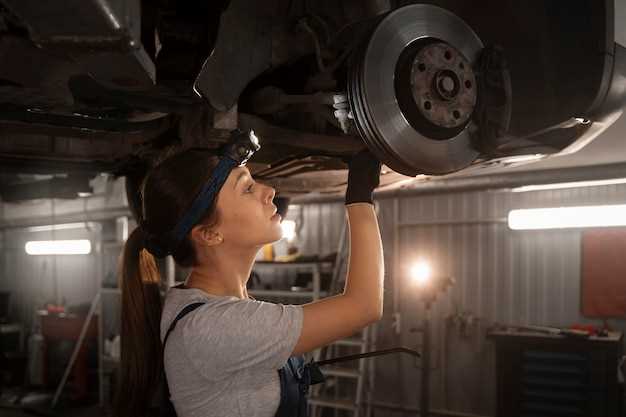
One of the primary steps in troubleshooting clunking noises in your suspension is to check for loose or missing hardware. Over time, components can loosen due to wear and tear, or even vibrations while driving, leading to unusual sounds and decreased vehicle performance.
Begin your inspection by following these steps:
- Gather Tools: Prepare the necessary tools such as a socket set, wrench, and torque wrench to facilitate your checks.
- Raise the Vehicle: Use a jack to lift your vehicle safely, ensuring it is secured with jack stands for safety.
- Inspect Bolts and Nuts: Check all suspension components, including control arms, struts, and sway bars for any loose bolts or nuts. Listen for any rattling or movement when you shake the parts.
- Look for Missing Hardware: Identify any visibly missing bolts, nuts, or washers. Pay close attention to critical components, as missing hardware can lead to severe issues.
- Tighten Loose Connections: If you find any loose connections, tighten them to the manufacturer’s specifications using a torque wrench. Refer to your vehicle’s service manual for the correct torque settings.
It is crucial to routinely conduct these checks as part of your vehicle maintenance. Neglecting loose or missing hardware can not only cause more clunking noises but also lead to significant safety risks. If you are unsure about the condition of your suspension or lack experience, consider consulting a professional mechanic for a comprehensive inspection.
Assessing the Condition of Bushings and Joints
When diagnosing clunking noises in your vehicle’s suspension, it’s essential to assess the condition of the bushings and joints. These components play a crucial role in maintaining the stability and comfort of your ride. Over time, bushings can wear out, leading to excessive movement and noise.
Start your inspection by visually examining the bushings for any signs of cracks, tears, or disintegration. A damaged bushing may not provide adequate cushioning, allowing metal-to-metal contact, which can create unwanted noise. Additionally, check for any signs of rust or corrosion on surrounding components, as this could indicate a failure in the joint, which would also contribute to noise.
Next, physically test the joints by attempting to move them. There should be minimal play or movement when you apply pressure. If you notice excessive play, it may signal that the joint is worn and needs replacement. Use a pry bar or similar tool to help identify any looseness in the suspension system, particularly around the control arm and sway bar links.
Pay attention to any clunking or popping sounds during this process, as they may further confirm the deterioration of these components. When driving, listen for noise when negotiating bumps or turning, as this can reveal issues within the bushings and joints.
Finally, if you identify any wear or damage, replacing the bushings and joints promptly can prevent further suspension problems and enhance vehicle performance. Regular maintenance and inspection of these components are essential for a smooth and quiet ride.
Diagnosing Issues with Shocks and Struts
Identifying problems with your vehicle’s shocks and struts is crucial for maintaining a smooth and safe driving experience. When diagnosing suspension issues, pay close attention to any unusual noise. Clunking or banging sounds, especially when driving over bumps or rough terrain, often indicate worn or damaged components.
Start by visually inspecting the shocks and struts for any signs of leakage or physical damage. Oil stains on the shock bodies can indicate a failed seal, which typically leads to a reduction in performance and increased noise. Mobility tests can be performed by pushing down on the corners of the vehicle; if it bounces excessively, the shocks may require replacement.
Another method is to listen for abnormal noise during driving. If you hear a persistent clunking sound over bumps, it may suggest loose mounting bolts or degraded bushings. You can check the mounting hardware and bushings for proper tightness and integrity, ensuring they are not cracked or excessively worn.
Finally, consider the handling characteristics of the vehicle. If you experience excessive body roll or a rough ride, it may indicate that the shocks and struts are not performing effectively, further suggesting that a deeper inspection is necessary. Regular maintenance and prompt attention to noise will help maintain optimal suspension performance.
Taking Preventative Measures to Avoid Future Noise
Taking proactive steps in maintaining your vehicle’s suspension system is crucial for minimizing the occurrence of clunking noises. Regular inspections and proper care can significantly enhance the longevity of your suspension components and provide a smoother driving experience.
One effective method of troubleshooting potential issues is through periodic inspections. During these inspections, focus on the following key areas:
| Component | Action | Frequency |
|---|---|---|
| Shock Absorbers | Check for leaks and corrosion | Every 6 months |
| Sway Bar Links | Inspect for wear and secure fastening | Every 6 months |
| Control Arm Bushings | Look for cracks or deterioration | Annually |
| Ball Joints | Assess for play and smooth movement | Annually |
Another preventative measure is to address any signs of wear or damage immediately. Ignoring minor issues can lead to more significant problems that result in increased noise and more expensive repairs. Additionally, keeping your vehicle’s tires inflated to the recommended levels can help maintain the overall integrity of the suspension system.
Regular maintenance practices, such as wheel alignments and balancing, will also contribute to a quieter suspension. Misalignment can place extra stress on suspension components, leading to premature wear and unexpected noise. Finally, driving with caution over potholes and uneven surfaces can further reduce unnecessary strain on the suspension, prolonging its lifespan and ensuring a peaceful ride.


