

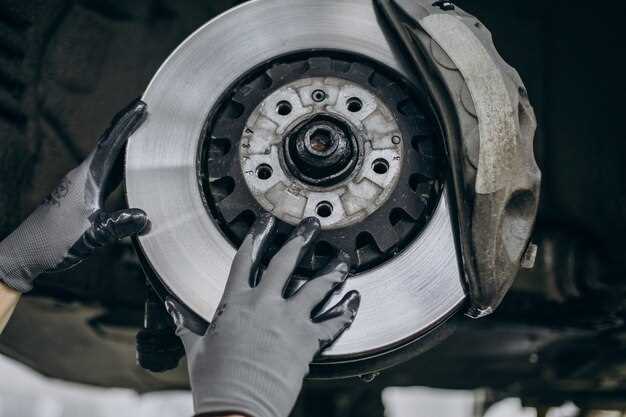
When it comes to improving the handling characteristics of your vehicle, the suspension system plays a crucial role. A well-designed suspension kit not only enhances cornering performance but also contributes to overall driving stability and comfort. By fine-tuning factors such as spring rates and shock absorber damping, you can significantly elevate your car’s responsiveness during sharp turns and quick maneuvers.
In this article, we will explore some of the top suspension kits available in the market that are specifically engineered to deliver superior handling. These kits are designed to reduce body roll, optimize weight distribution, and improve traction, ensuring that your vehicle remains planted on the road. Whether you are an avid enthusiast looking to take your vehicle to the next level or simply seeking to enhance your daily driving experience, the right suspension kit can make a significant difference.
From adjustable coilovers to performance shocks and springs, the options are diverse and tailored for various driving styles. Each kit brings its own set of advantages, allowing drivers to customize their handling preferences. Join us as we delve into the details of these exceptional suspension kits, ensuring that your cornering performance reaches new heights.
Choosing the Right Suspension Kit for Your Vehicle Model
When it comes to enhancing your vehicle’s cornering performance, selecting the right suspension kit is crucial. Each vehicle model has its own unique characteristics, making it essential to choose a suspension kit that complements your specific make and model. Here are some key factors to consider when making your selection:
| Factor | Description |
|---|---|
| Vehicle Type | Different types of vehicles, such as sedans, SUVs, and trucks, require different suspension kits tailored to their weight and handling dynamics. |
| Driving Style | Your driving habits influence the suspension kit you should choose. For aggressive cornering, options like performance struts and sway bars may be more suitable. |
| Intended Use | Consider whether the vehicle will be used for street driving, racing, or off-roading. This will determine the level of stiffness and adjustability needed in a suspension kit. |
| Brand Compatibility | Some performance kits are designed specifically for certain brands, ensuring optimal performance and fit. Research brands that specialize in your vehicle model. |
| Adjustability | Look for kits that offer adjustable settings. This allows for tuning the suspension to your liking, adapting to different driving conditions. |
By taking these factors into account, you can make an informed decision when selecting a suspension kit that enhances your vehicle’s cornering performance and overall handling. Always consult with a professional if you’re unsure which option is best suited for your needs.
Key Features to Look for in High-Performance Suspension Kits
When searching for high-performance suspension kits, several critical features can significantly enhance your vehicle’s cornering capabilities and overall handling. Understanding these features is essential for optimizing performance.
Adjustability is a paramount aspect. Look for kits that offer adjustable dampening settings, allowing you to fine-tune the suspension stiffness according to driving conditions. This customization enables you to enhance handling on both the track and road, providing versatility for different scenarios.
Spring Rates play a crucial role in how the suspension responds during cornering. High-performance kits often feature stiffer springs that provide improved weight transfer and better grip during turns. Opt for springs designed to balance comfort and performance to avoid sacrificing ride quality for handling.
Quality Materials are vital for durability and performance. High-grade materials reduce wear and tear, ensuring longevity while enhancing the overall effectiveness of the suspension system. Look for kits made from aluminum or reinforced steel, as these materials can withstand harsher driving conditions.
Shock Absorber Technology is another critical feature. Adjustable or performance-oriented shock absorbers are designed to better manage weight transfer and body roll during cornering. Consider systems that utilize advanced technologies, such as twin-tube or monotube designs, for superior performance.
Lowering Capability can also affect handling. Many performance suspension kits allow for vehicle height adjustment, which can lower the center of gravity. A lowered stance can reduce body roll and improve stability while cornering, leading to enhanced overall handling.
Compatibility and Fitment are essential to ensure that the suspension kit integrates seamlessly with your vehicle. Always verify that the kit is designed specifically for your make and model to avoid fitment issues that could compromise handling performance.
In summary, selecting the right high-performance suspension kit involves considering adjustability, spring rates, material quality, shock absorber technology, lowering capabilities, and compatibility. These key features collectively contribute to enhanced cornering performance and improved handling, making your driving experience more enjoyable and responsive.
Impact of Suspension Geometry on Cornering Dynamics
The geometry of a suspension system plays a crucial role in determining a vehicle’s handling characteristics, especially during cornering. Key angles such as camber, caster, and toe influence the tire contact patch and thus the grip available when cornering. A well-designed suspension kit can optimize these angles, improving both stability and responsiveness as the vehicle navigates turns.
Camber angle affects how the tires maintain contact with the road when cornering. Negative camber, where the top of the tire leans inward, allows for better grip during sharp turns, as it maximizes the contact patch under loaded conditions. Suspension kits that facilitate adjustable camber angles empower drivers to fine-tune handling dynamics based on driving style and conditions.
Caster angle, which refers to the pivot angle of the steering axis, impacts steering feel and stability. Increased caster improves straight-line stability and enhances returnability after turns, aiding in cornering precision. Suspension kits designed with adjustable caster settings can further refine handling by catering to personal preferences and driving environments.
Toe angle, the directional alignment of the tires, plays a vital role in a vehicle’s response during cornering. A slight toe-in can enhance straight-line stability, while toe-out may improve cornering agility. Suspension kits that offer adjustments in toe settings allow for more tailored handling characteristics, ensuring optimal performance in various driving scenarios.
Overall, the interaction of these geometric factors within a suspension kit significantly influences cornering dynamics. By customizing suspension geometry, drivers can achieve a balance between comfort and performance, resulting in enhanced handling during cornering maneuvers. Choosing the right suspension kit with adjustable features is essential for maximizing cornering capabilities and improving overall driving experience.
Comparison of Popular Suspension Kits in the Market
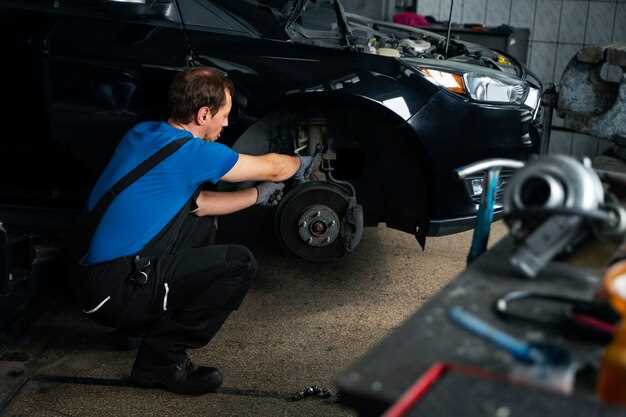
Choosing the right suspension kit is crucial for enhancing cornering performance in any vehicle. Different options cater to various driving styles, vehicle types, and customer preferences. Below is a comparative overview of some popular suspension kits currently available in the market.
The BC Racing BR Series is renowned for its versatility and adjustability. This coilover kit allows users to customize ride height and damping settings, making it ideal for both street and track use. With its aluminum top mounts and robust construction, it provides excellent performance while maintaining comfort.
Another standout is the KW Variant 3 suspension kit. Designed for performance enthusiasts, it features independent control of rebound and compression settings. This level of customization allows drivers to fine-tune their suspension for optimal cornering and stability. The stainless steel construction also ensures durability against the elements.
The Tein Street Advance Z coilover kit is an excellent option for those seeking an affordable yet effective solution. With preset damping characteristics and a height-adjustable design, it enhances cornering without sacrificing daily drivability. Users appreciate the balance it offers between performance and comfort.
For off-road enthusiasts, the Fox 2.0 Performance Series suspension kit provides exceptional handling on rugged terrain. This kit is designed with hydraulic bump stops and an aluminum body, which enhances performance during cornering on uneven surfaces. Its durability and performance make it a solid choice for crossover and SUV applications.
Lastly, the Eibach Pro-Street-S kit offers a blend of performance and practicality. This fully adjustable coilover kit allows users to achieve the desired stance while maintaining comfort for daily commuting. Eibach’s engineering ensures that handling dynamics are improved, making it a popular choice among enthusiasts who demand both performance and usability.
Ultimately, the best suspension kit depends on individual driving needs and preferences. Each of these kits provides a variety of features aimed at enhancing cornering performance, ensuring that drivers can find a solution that perfectly suits their vehicle and driving style.
Installation Tips for Optimal Handling with Suspension Kits

Proper installation of your suspension kit is crucial for achieving enhanced handling and cornering performance. Start by thoroughly reading the manufacturer’s instructions, as each kit may have unique requirements. Ensure that you have all the necessary tools and components before beginning the installation process.
Begin with the vehicle on a flat surface. Use jack stands to safely elevate the car, allowing for easy access to the suspension components. Remove the wheels to expose the suspension assembly, paying attention to the alignment settings before disassembly. Marking positions can help maintain the correct geometry.
When replacing old components, inspect the condition of existing parts such as bushings and mounting points. Replacing worn-out components can significantly improve handling. Make sure to torque bolts to the manufacturer’s specifications, which ensures that connections are secure and reduces the risk of components loosening during operation.
During installation, consider the spring and shock absorber settings. Adjustments should be made according to your driving style and intended use, whether it’s daily driving or track performance. Fine-tuning the rebound and compression settings can enhance the overall handling characteristics, providing better grip during cornering.
After installation, it’s essential to perform a wheel alignment. Misalignment can lead to uneven tire wear and compromised handling. A proper alignment will help ensure that your vehicle tracks straight and that suspension components function optimally together. Test drive the vehicle in a safe environment to assess the handling capabilities before finalizing the installation.
Maintaining and Adjusting Your Suspension for Long-Term Performance
Proper maintenance and adjustment of your suspension system are crucial for achieving optimal handling characteristics and ensuring long-term performance. A well-maintained suspension not only enhances cornering abilities but also improves overall vehicle stability and comfort. Here are some essential tips for maintaining and adjusting your suspension:
- Regular Inspections:
Conduct routine checks of your suspension components for signs of wear, damage, or leaks. Key areas to inspect include:
- Shock and strut seals
- Control arm bushings
- Ball joints
- Coil springs and leaf springs
- Check Alignment:
Ensure that your vehicle’s wheel alignment is within manufacturer specifications. Misalignment can lead to uneven tire wear and poor handling performance. Regular alignment checks help maintain suspension geometry.
- Adjust Ride Height:
The ride height significantly influences handling characteristics. Adjust your suspension based on your driving needs:
- Increase ride height for off-road or rough terrain driving.
- Lower the ride height for improved aerodynamics and cornering stability on smooth roads.
- Monitor Suspension Settings:
If your suspension kit includes adjustable shocks or struts, periodically review and adjust settings based on driving conditions:
- Soften settings for comfortable daily driving.
- Firm up settings to enhance handling during spirited driving or track days.
- Replace Worn Components:
Replace any worn or damaged suspension parts to prevent further issues. Delayed replacement can lead to more extensive damage and compromised handling.
- Use Quality Fluids:
For vehicles with hydraulic suspension systems, ensure that you use high-quality fluid recommended by the manufacturer. Check fluid levels regularly and top off as necessary.
By adhering to these maintenance practices, you can enhance your suspension’s longevity and optimize handling performance, ensuring your vehicle remains responsive and enjoyable to drive over the long term.


